Ten Strategies for Managing Senior Transitioning
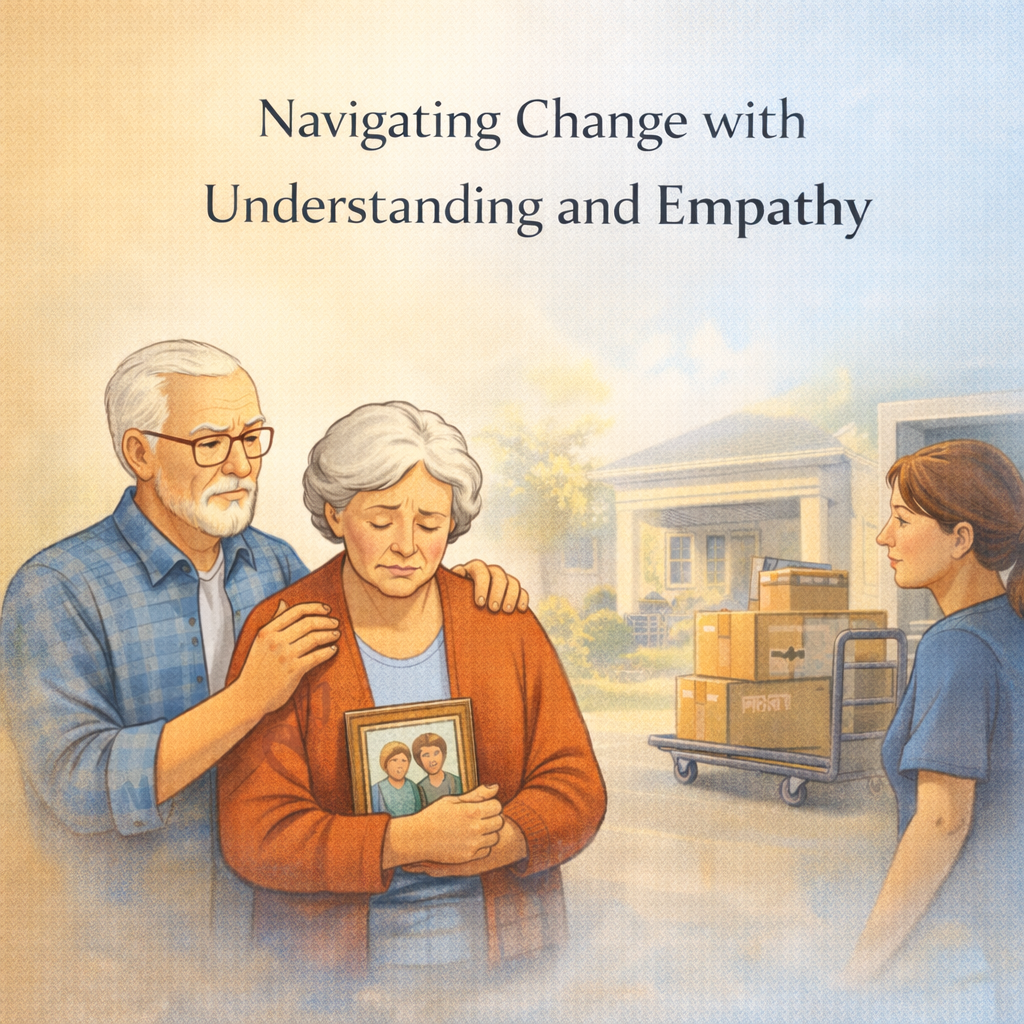
Transitioning into a senior living environment—whether assisted living, independent living, or memory care—is a significant life event that involves both logistical complexity and emotional adjustment. For many older adults, this move represents a shift in independence, identity, and daily routine. For families, it often brings a mix of relief, concern, and responsibility. Understanding the challenges inherent in this transition—and knowing how to proactively support the process—can help create a smoother, more positive experience for everyone involved.
Understanding the Emotional Landscape
The emotional dimension of a senior living transition is often the most underestimated aspect of the move. While the logistics of packing, selling a home, or coordinating care can be clearly defined, the internal experience of the senior is far more complex. A home holds meaning beyond its physical structure—it is a container for memories, routines, and a sense of identity that has been built over decades.
When seniors prepare to leave that environment, they are not simply relocating; they are navigating a psychological shift that can feel like a loss of control or a disruption of self. This can lead to a wide range of emotional responses, some of which may not be immediately visible to family members or caregivers.
Many seniors experience a sense of loss tied to:
Independence and autonomy.
Familiar surroundings.
Community connections.
Personal possessions that cannot all be brought along.
Memories connected to a home they shared with family.
Recognizing these emotional responses as natural—and not as resistance or negativity—is essential in providing appropriate support during this stage.
What to Expect During the Moving Process
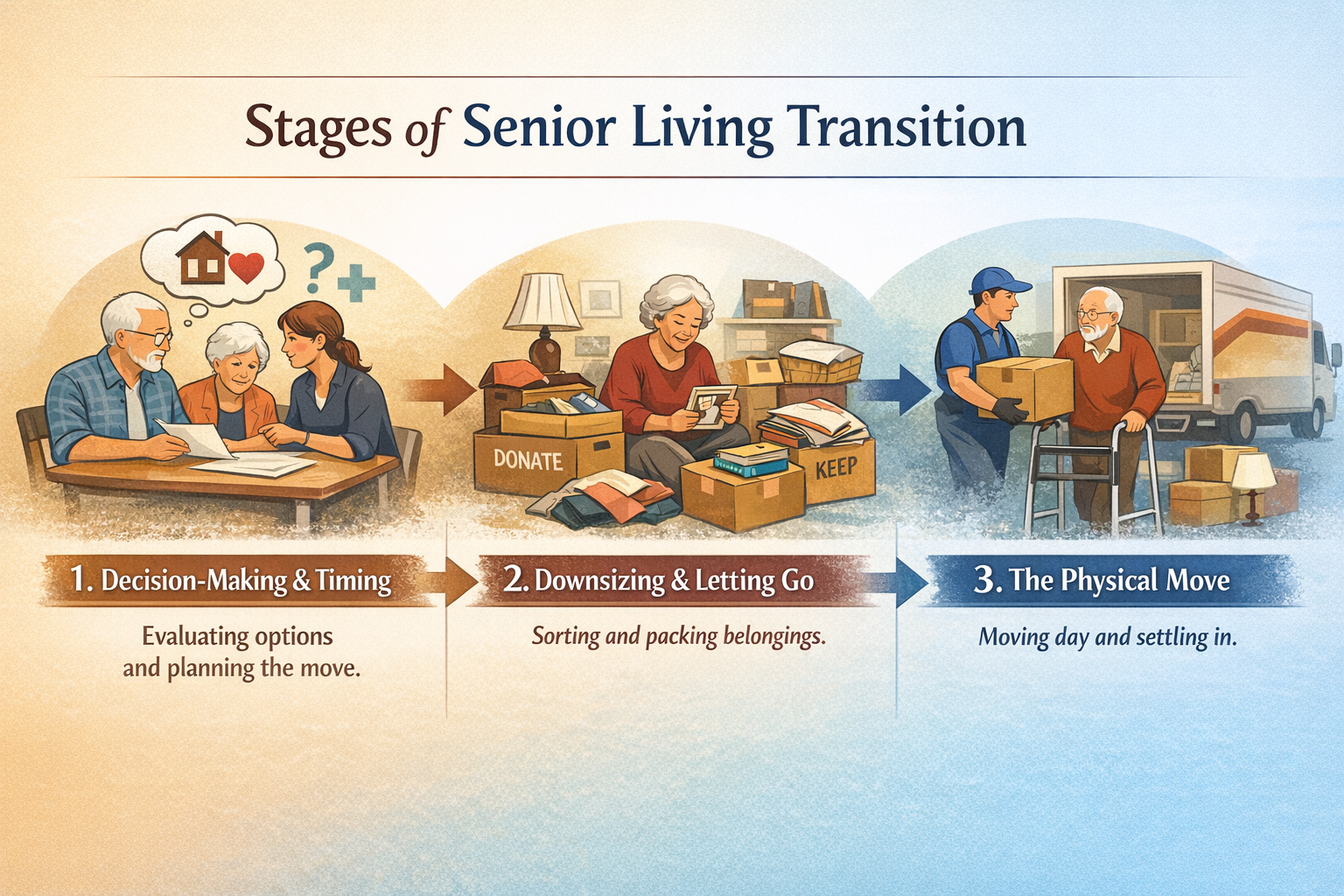
The transition into senior living is rarely a single event. Instead, it unfolds over time, often in a series of stages that each present their own challenges. Understanding these phases can help families anticipate potential difficulties and respond with greater clarity and preparedness. Each stage involves both practical and emotional considerations, and the pace at which they occur can vary depending on the circumstances surrounding the move.
1. Decision-Making and Timing
The decision to move is often influenced by safety concerns, health needs, or the desire for additional support. In some situations, this decision is made gradually, allowing time for discussion and adjustment. In others, it may be more immediate, leaving little time for emotional preparation.
2. Downsizing and Letting Go
Downsizing requires sorting through years—sometimes decades—of accumulated belongings. Each item may carry personal meaning, making decisions about what to keep, donate, or discard emotionally taxing. The process can also be physically demanding, particularly for older adults.
3. The Physical Move
Moving day represents a significant disruption to routine. Even when well-organized, it can feel overwhelming due to the unfamiliar environment, changes in layout, and the absence of familiar cues. The early days in a new setting often involve a period of uncertainty. Residents are learning new routines, meeting unfamiliar people, and adapting to a different pace of life. This adjustment period is critical and may include moments of discomfort or withdrawal.
Common Challenges After the Move
After the move is complete, the expectation is often that things will quickly fall into place. However, adjustment continues well beyond moving day. The weeks that follow are a time of adaptation, during which seniors are working to establish a new sense of normal. This period can surface challenges that were not immediately apparent during the move itself. These challenges are not indicators of failure, but rather part of the natural process of adapting to change.
A perceived lack of autonomy can lead to frustration or disengagement. When routines, schedules, and decisions are externally managed, residents may feel disconnected from their own daily lives.
4. Social Adjustment
Entering a new social environment requires effort and emotional energy. Some individuals may feel hesitant to engage, particularly if they are naturally introverted or grieving the loss of previous social connections. Social connections are important, but they should be introduced at a comfortable pace. Gradual participation allows residents to build confidence without feeling overwhelmed.
5. Changes in Routine
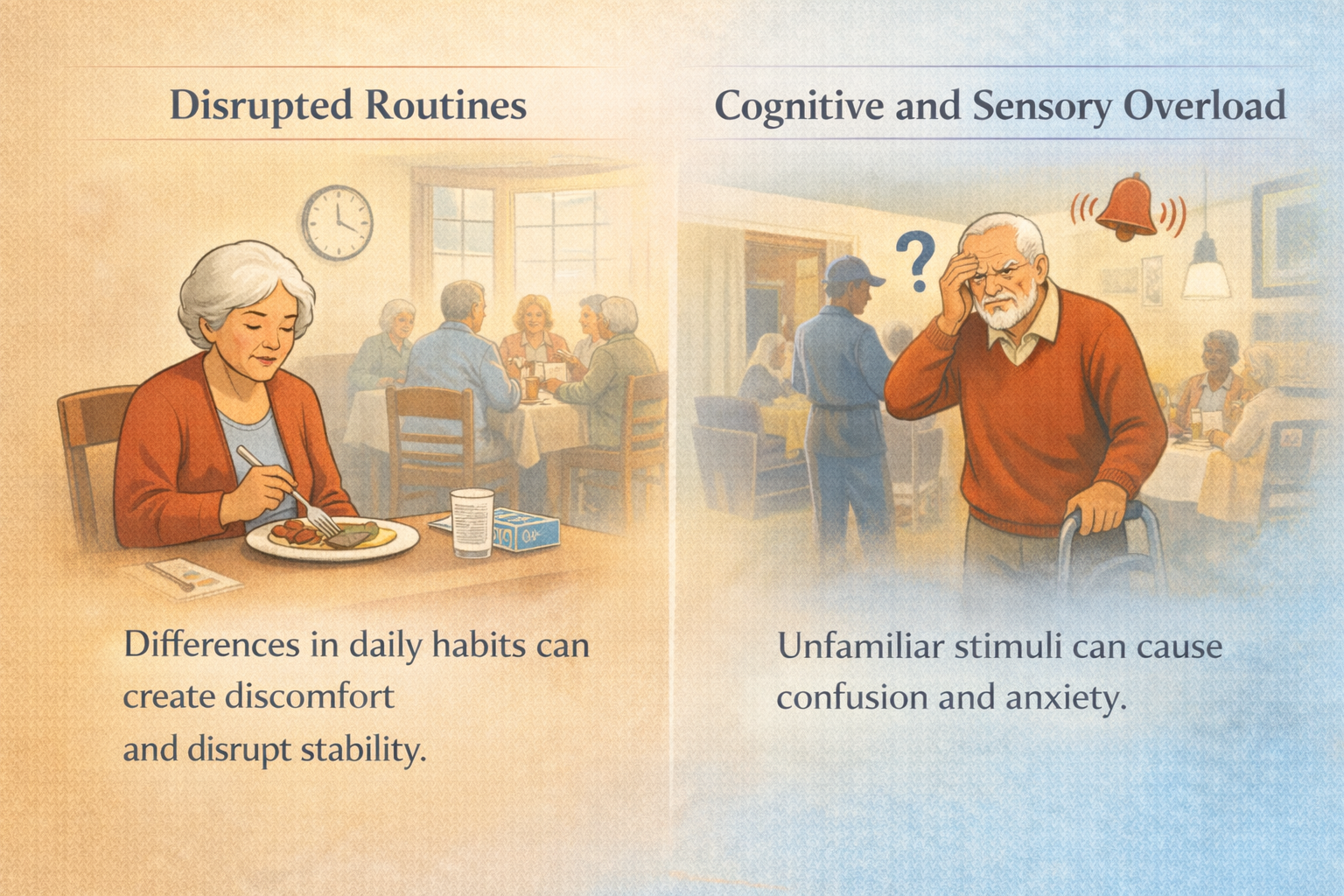
Even small shifts in daily habits can create discomfort. Differences in meal times, activity schedules, or personal routines can disrupt a sense of stability.Cognitive and Sensory Overload. New environments introduce unfamiliar stimuli—sounds, layouts, and expectations. For individuals with cognitive impairments, this can increase confusion and anxiety.
Practical Strategies to Support a Smooth Transition
Successfully navigating a senior living transition requires more than completing the move itself. It involves creating conditions that support both emotional comfort and practical functionality. Families and caregivers play a critical role in shaping this experience. Intentional strategies can help bridge the gap between the old environment and the new one, making the transition feel less abrupt and more manageable.
6. Involve the Senior in Decisions
Participation in decision-making reinforces a sense of autonomy. Even small choices—such as selecting which items to bring or how to arrange a room—can have a meaningful impact on how the resident perceives the move.
7. Recreate Familiarity
Familiar objects serve as anchors in a new environment. They provide visual and emotional continuity, helping to reduce disorientation and create a sense of comfort.
Favorite furniture pieces
Photographs and artwork
Bedding or décor from home
A familiar chair or reading lamp
Arranging the space to resemble the previous home layout can further support this sense of familiarity.
Creating a Comfortable Living Space
The physical environment plays a foundational role in how quickly a resident feels settled. A well-organized, thoughtfully arranged space can reduce confusion, support independence, and provide a sense of security. The goal is not simply to move belongings into a new room, but to intentionally design a space that feels both functional and personal.
Balancing safety with comfort is key. While it is important to minimize hazards and ensure accessibility, it is equally important to preserve the individuality of the resident’s space.
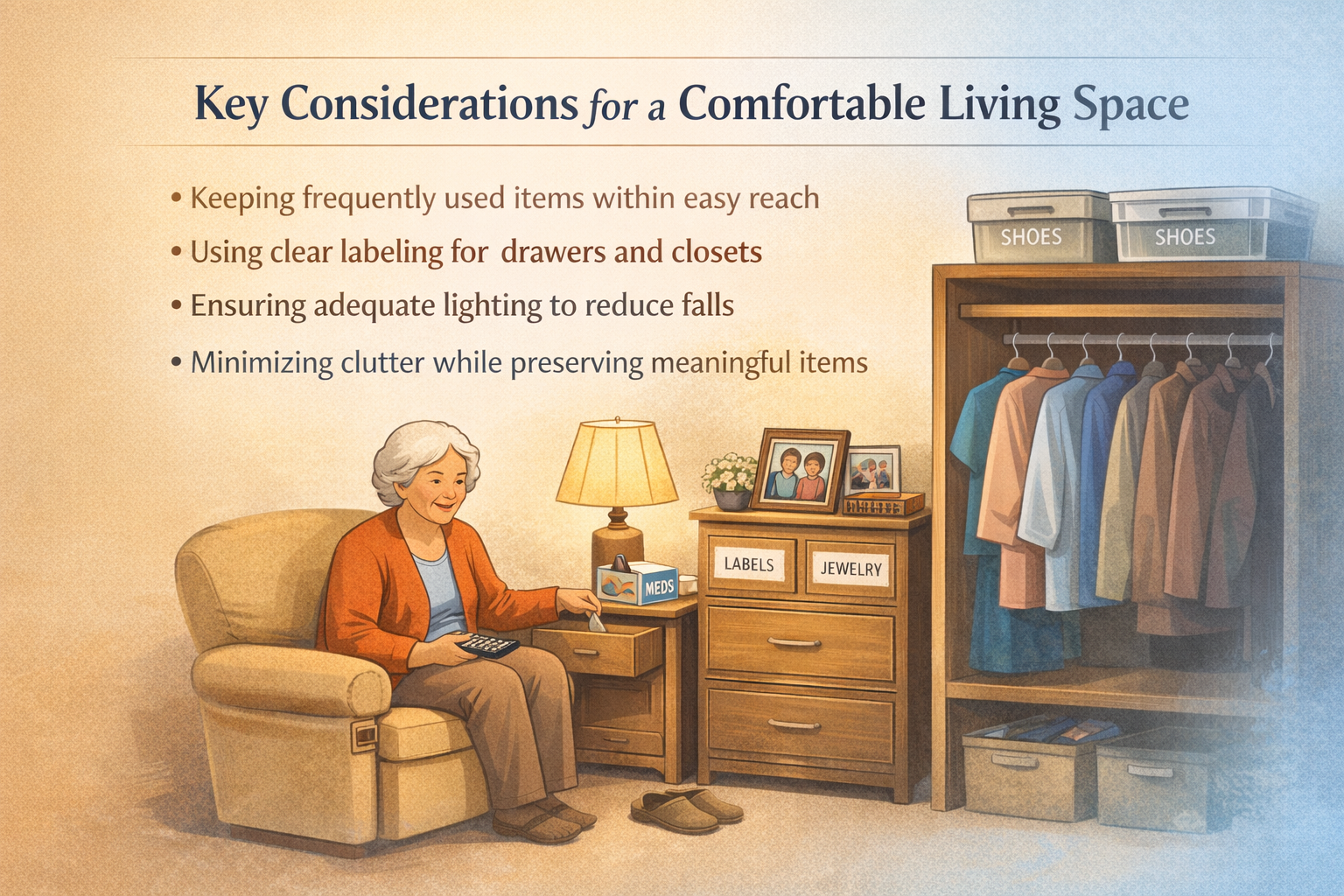
Key considerations include:
Keeping frequently used items within easy reach
Using clear labeling for drawers and closets
Ensuring adequate lighting to reduce falls
Minimizing clutter while preserving meaningful items
A carefully arranged environment supports both daily function and emotional well-being.
8. Establish Routine Quickly
Consistency provides structure and predictability. Establishing a daily rhythm early in the transition helps reduce anxiety and supports a sense of normalcy.
9. Maintain Family Connection
Ongoing communication with family members reinforces emotional stability. Regular contact helps bridge the gap between the old environment and the new one.
10. Collaborate with Staff
Care staff are essential partners in the transition process. Their observations and insights can help identify needs, address concerns, and support ongoing adjustment.
Supporting Emotional Well-Being Over Time
Adjustment to a new living environment is not immediate. It is a process that unfolds over time, often requiring continued attention and support. Even after the initial transition period has passed, residents may experience moments of uncertainty or emotional fluctuation.
Providing consistent, compassionate support helps reinforce a sense of stability and belonging. Over time, these efforts contribute to a deeper sense of comfort within the new environment.
Effective approaches include:
Acknowledging feelings without dismissing them
Celebrating small milestones, such as attending an activity or making a new acquaintance
Encouraging independence within safe boundaries
Remaining patient during setbacks
Monitoring for signs of prolonged distress is also important. Early recognition allows for timely intervention and additional support when needed.
Opportunities in the Transition
While a move to senior living can initially feel like a loss, it can also open the door to new opportunities. Shifting the perspective from what is being left behind to what is being gained can help reframe the experience in a more constructive way. Senior living communities often provide access to resources and experiences that enhance quality of life. With time and support, many residents begin to recognize and appreciate these benefits.
Residents often discover:
Reduced stress related to home maintenance
Increased opportunities for social interaction
Access to wellness programs and support services
A safer, more manageable living environment
Framing the transition as an evolution rather than an endpoint can support a more positive adjustment.
Conclusion
Senior living transitions are multifaceted experiences that require both logistical coordination and emotional sensitivity. By understanding what to expect and implementing thoughtful strategies, families and caregivers can ease the adjustment process and support residents in building a sense of comfort and belonging.
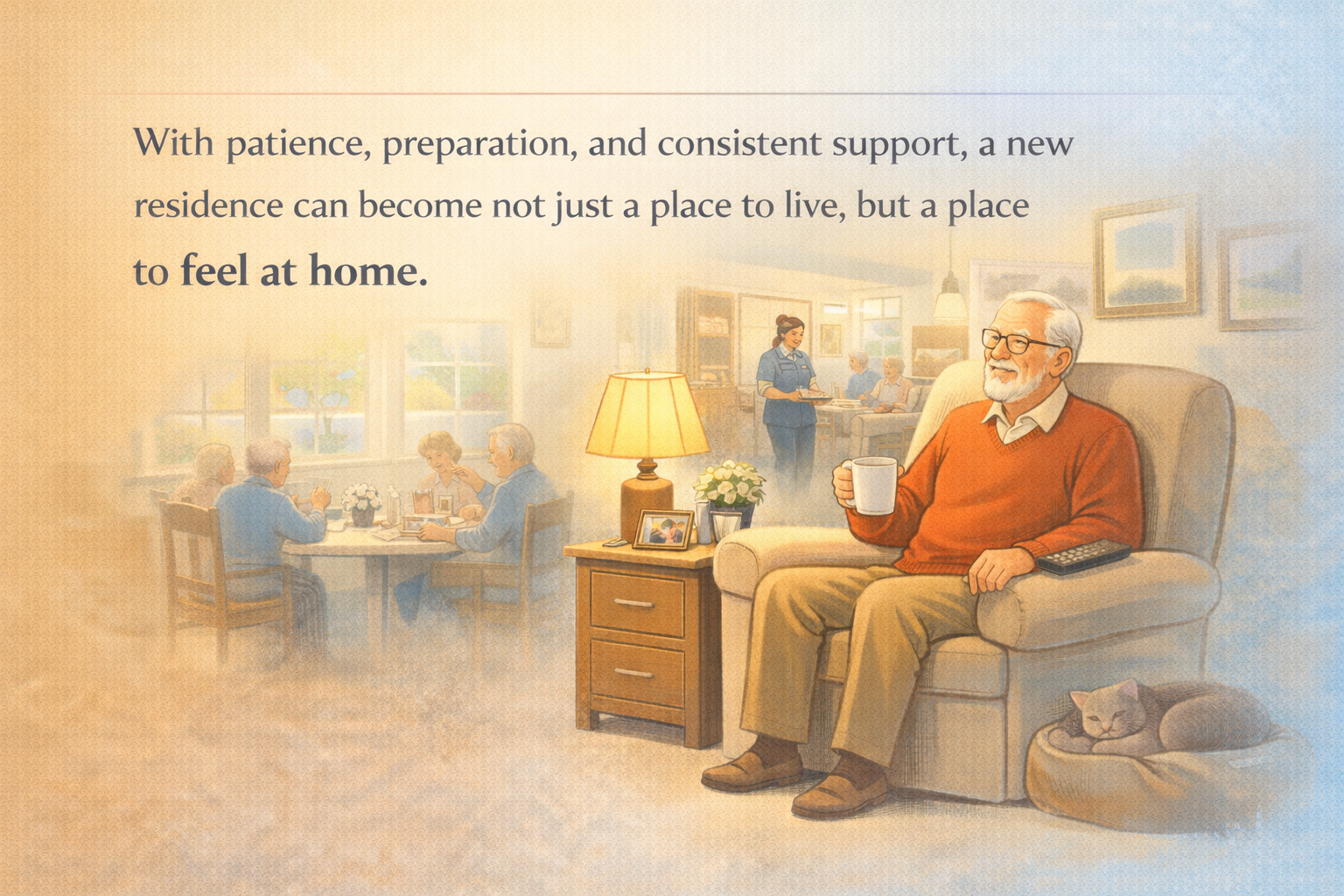
A successful transition is not defined by how quickly a move is completed, but by how well the individual adapts to their new environment. With patience, preparation, and consistent support, a new residence can become not just a place to live, but a place to feel at home.